
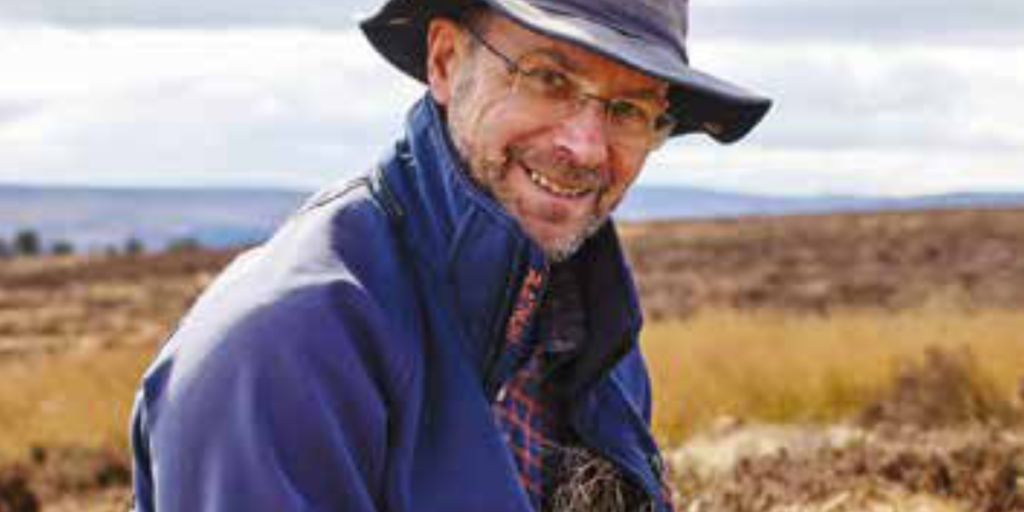
The decision to switch to nature-friendly land management practices has brought wildlife flooding back to Denton Reserve, writes director Nick Bailey, but the small successes are just as sweet….
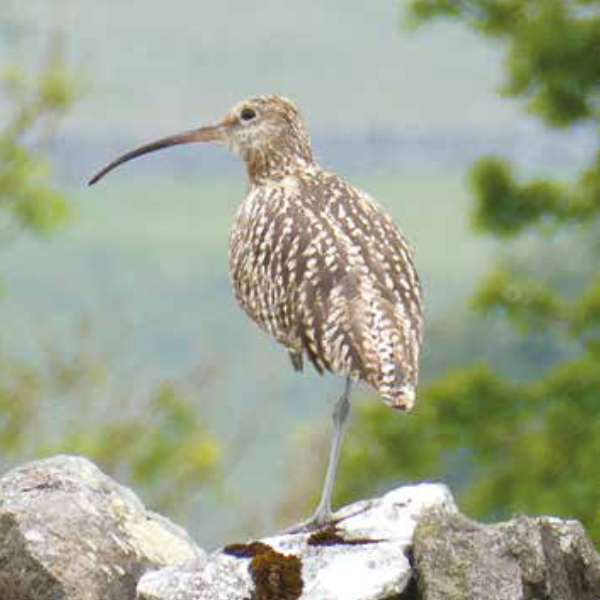
It was a Tuesday afternoon in early May when the female curlew returned to her nest. That same morning we had installed a temporary fence to shield her against ground predators – so when we got confirmation that she was back, we felt maybe we were making a difference. In fact, in the two-day interval between locating the nest and getting it fenced, the curlew had laid again. She was now incubating a full clutch of four eggs. Would they hatch? Would any of them fledge and reach adulthood?
The curlew is on the UK Red List, which means urgent conservation action is needed to save the species. Would the efforts of a small team up on a hill on the edge of the Dales make a difference? There’s no way of knowing – but that won’t stop us from trying. Nature recovery requires belief and a long-term view.
There was a long-term view here at Denton over the last five decades too, one founded on thoughtful, responsible land management. Beef, dairy, sheep and pheasants all played their role in keeping this estate near Ilkley in lower Wharfedale commercially viable, and the professional care taken across the board was impressive. Denton picked up accolades for its sheep husbandry, forestry and agricultural buildings, and was a model for the wider area.
And then in 2023 the ownership changed – and so did the future. As new custodians, we were determined not just to keep the 1,000-year-old estate intact, but also to respond to the challenges of nature loss and climate change. This would mean finding ways to do things differently.
It was a tantalising prospect. What might 600 hectares of arable, woodland and improved grazing, along with 400 hectares of moorland, contribute if managed for biodiversity and carbon capture? And at the same time, could something be done for natural flood management, and towards sustainable local food? And what about the wellbeing dimension: could that be part of a new relationship to the land at Denton too?
Leap of Faith
The vision began to develop. A minor change in direction would be inadequate, given the size of today’s crises. Where a previous generation was asked ‘What did you do in the war, Daddy?’, I think of my future grandchildren asking: ‘What did you do to help save this planet, Grandad?’
I think I’d tell them I chose to be bold, along with the rest of the team here at Denton. Being bold about the changes that we can help to implement, changes that we have the opportunity to make, is daunting but rewarding – worth the risks involved.
We began planting trees, removing fences, rewetting the moorland. Pheasant shooting ended, leaving decades of debris to clear. Already we’re seeing an explosion in the numbers of common lizards, frogs and tiny mammals, no longer devoured by game birds. We replaced the large herds of carefully bred Lleyn and Texel sheep with smaller numbers of native White Park cattle and Tamworth pigs, which have a positive impact on the land when managed regeneratively. We abandoned the intensively farmed maize and stopped using herbicides altogether.
This is about finding a new model, hopefully one that can be copied and scaled. The need for a commercially viable future is on our minds at every turn.
In for the Long Haul
The foundation for Biodiversity Net Gain, carbon and natural capital credits is now in place. We may get an opportunity with Defra’s Landscape Recovery round 2 scheme, to which we recently submitted a lengthy application. We’ve made plans for every field and patch of woodland, from the river to the moor. Our team of ecologists has spelled out in painstaking detail what it would look like to optimise nature over the next 30 years. It made me realise that our initial changes are just the tip of the iceberg.
Nevertheless, seeing how strongly the land has responded to our early interventions by our third anniversary, I realise how quick nature is to react when we give it a chance, and how depleted much of our countryside has become.
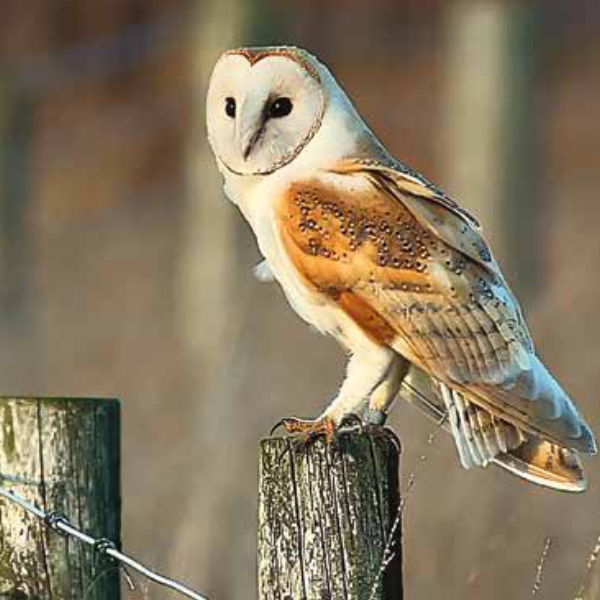
The local birders are excited by two years of nightjars calling. Some evenings they see or hear all five native owls. The Yorkshire Mammal Group’s survey registered an astonishing tenfold increase in small mammal numbers from 2024 to 2025. And our tireless conservation volunteers were delighted that the 50,000 sphagnum moss and cotton grass plugs they planted to help restore the re-wetted peatland survived last summer’s drought. The 500 blockages to drainage courses and grips that Yorkshire Peat Partnership designed will certainly have played a part.
As an engineer, a newcomer to the nature scene, I’ve found it extraordinary to witness such positive change. I recognise that the opportunity of a new vision, a new ownership and the support of organisations like Nidderdale National Landscape and Wharfedale Naturalists Society have created a special set of circumstances for Denton Reserve, but I’m also convinced that every farmer and landowner in Yorkshire and beyond would work to encourage nature if the system was tilted to make it worthwhile. Our hope is that elements of the Denton Reserve model may be of use more widely.
To help fund our nature recovery work we’ve been welcoming guests to experience the reserve. We are beginning to see an encouraging response. By contrast, nature just turned up, moving into what is fast becoming a haven in lower Wharfedale – and it’s here to stay.
Nick Bailey, director, Denton Reserve (Holdings) Ltd